
Exploring the psychology behind why we gamble Understanding the risks and rewards
The Allure of Gambling
Gambling has long captivated people from all walks of life, largely due to its inherent thrill and the promise of financial gain. The adrenaline rush associated with placing a bet can evoke strong emotions, creating a sense of excitement that is difficult to replicate. This emotional high is often driven by the unpredictability of the outcome, which keeps players returning for more. The chance to win money, especially large sums, serves as a powerful motivator, leading many to rationalize the risks involved. At platforms like https://kingbet9-australia.com/app/, users can experience various casino games that heighten this thrill.
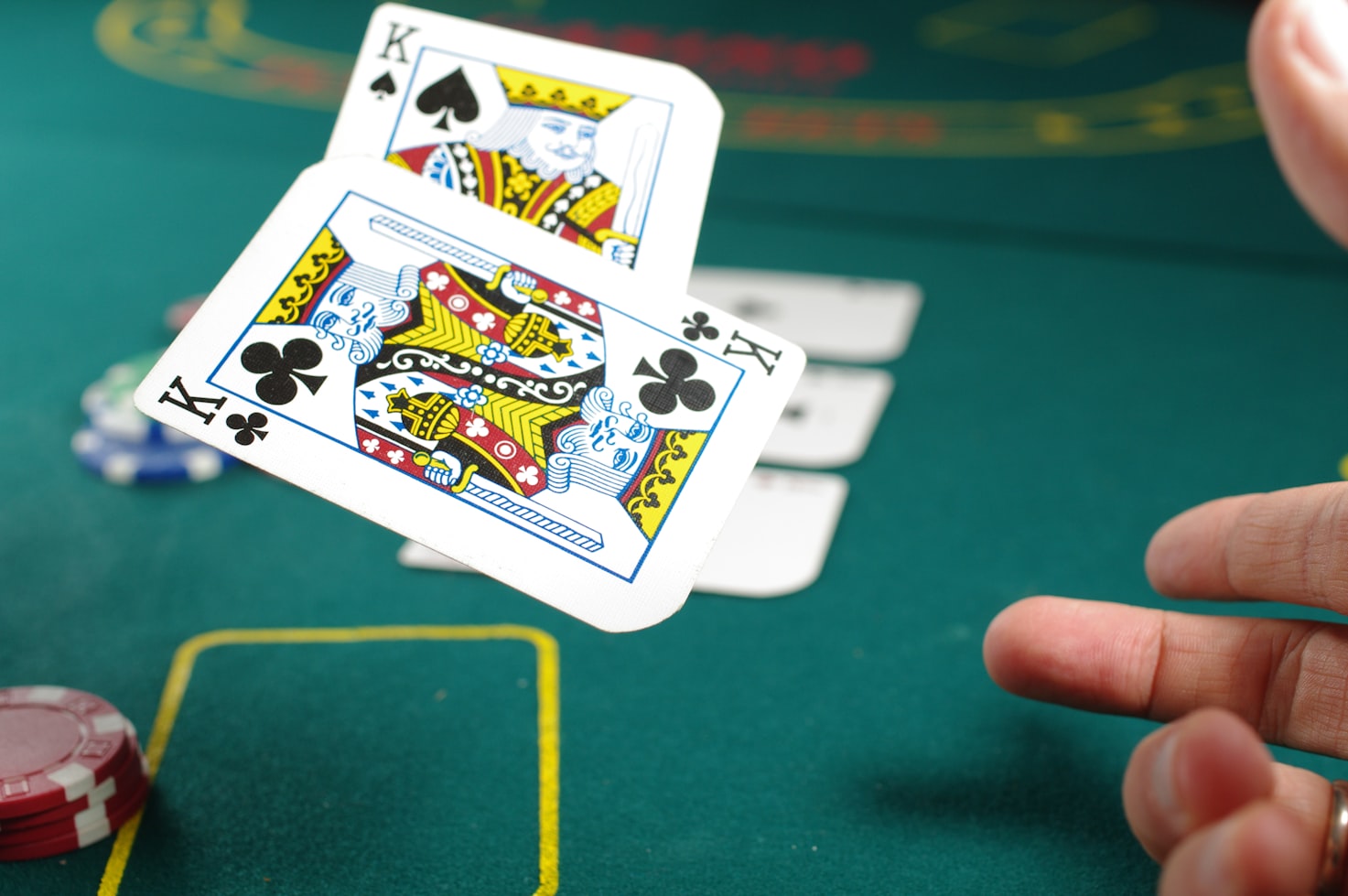
Moreover, the social aspects of gambling also enhance its appeal. Many people enjoy the camaraderie found in casinos or online platforms, where they can share in the excitement of wins or commiserate over losses. This social interaction can provide a sense of belonging that some may find lacking in other areas of their lives. As a result, the combination of thrill and social engagement can create a potent cocktail that keeps individuals returning to gambling venues.
Additionally, the psychological principle of variable reinforcement plays a significant role in the gambling experience. Players often encounter unpredictable rewards, such as winning a small amount after several losses, which reinforces the behavior. This phenomenon can lead to a cycle of continuous play, as the gambler becomes conditioned to chase the next big win. Understanding these psychological triggers can illuminate why so many find themselves entangled in the world of gambling.
Understanding Risk-Taking Behavior
The concept of risk-taking is central to the gambling experience. Many gamblers are drawn to the thrill of risking money in hopes of obtaining a greater reward. This desire can be attributed to various psychological factors, including the need for excitement and the allure of competition. The very nature of gambling invites individuals to push boundaries, often causing them to overlook the potential downsides. This can lead to poor decision-making, as individuals may underestimate the odds against them.
Furthermore, the dopamine release associated with winning can create a strong psychological compulsion to continue playing. Dopamine is a neurotransmitter that contributes to feelings of pleasure and satisfaction; thus, the rush of a win can be incredibly addictive. This biochemical response can warp an individual’s perception of risk, making them more likely to engage in irrational behavior. Consequently, understanding the neurological basis of risk-taking in gambling can provide valuable insights into the psychology behind it.
For many, the thrill of taking risks extends beyond mere monetary gain. It often feeds into deeper psychological needs, such as self-validation and achievement. Gamblers may perceive their ability to win as a reflection of their intelligence or skill, which can reinforce their desire to play. This complex interplay of psychological factors illustrates why some individuals are more prone to gambling than others, underscoring the need for awareness and caution.
The Role of Cognitive Biases
Cognitive biases significantly influence gambling behavior, often leading individuals to make irrational decisions. One common bias is the “gambler’s fallacy,” where individuals believe that past events can influence future outcomes. For example, a player may think that a roulette wheel is “due” for a win after a series of losses. This misconception can result in increased betting, as gamblers convince themselves that luck will soon change.
Another cognitive bias is the illusion of control, where players overestimate their influence over unpredictable outcomes. This often manifests in poker, where players may believe their skill can outmaneuver luck. This belief can lead to a false sense of security, prompting riskier bets. Both biases highlight how our cognitive frameworks can distort reality, making it crucial for gamblers to recognize these patterns to mitigate their impact.
Moreover, the normalization of gambling in society further complicates this issue. With the widespread acceptance of gambling as a leisure activity, individuals may be less inclined to acknowledge the risks involved. This societal endorsement can create a misleading narrative, reinforcing cognitive biases and contributing to the likelihood of gambling addiction. Understanding these biases is essential in developing healthier attitudes towards gambling and recognizing when to seek help.
The Emotional Rollercoaster of Winning and Losing
The emotional landscape of gambling is marked by highs and lows that can profoundly affect an individual’s psyche. Winning can induce feelings of euphoria, enhancing self-esteem and generating excitement. However, these moments are often fleeting, leading to a stark contrast when losses occur. The emotional fallout from losing can lead to feelings of despair, frustration, and even shame, creating a cycle of gambling as individuals attempt to recoup their losses.
This emotional rollercoaster can create a psychological dependence on gambling. The thrill of winning may push individuals to take greater risks, while the lows may drive them to chase losses in an attempt to regain that initial high. This phenomenon, known as “loss chasing,” can result in escalating bets and severe financial repercussions. The emotional stakes in gambling can be incredibly high, making it essential for individuals to assess their motivations and emotional responses.
Ultimately, understanding the emotional elements of gambling can help individuals develop healthier relationships with the activity. Being aware of the psychological impact of both winning and losing can foster more mindful decision-making. For some, recognizing these emotional triggers may lead to healthier coping strategies and a more balanced approach to gambling.

Kingbet9: A Responsible Gaming Platform
In the evolving landscape of online gambling, platforms like Kingbet9 stand out for promoting responsible gaming. As a premier mobile app designed for Australian players, Kingbet9 emphasizes user experience while encouraging mindful gambling practices. The user-friendly interface ensures that players can access a variety of games while also being aware of the potential risks involved in gambling.
Kingbet9 offers features designed to promote safe gambling habits, including self-exclusion options and deposit limits. These tools empower players to make informed choices about their gambling behavior, helping to mitigate the risks associated with excessive play. By prioritizing user welfare, Kingbet9 aims to create a gaming environment where enjoyment is balanced with responsibility.
Additionally, the platform provides resources and support for players seeking assistance with gambling-related issues. By fostering an environment of transparency and care, Kingbet9 stands out as a responsible choice for online gaming. This commitment to promoting healthy gambling practices reflects the understanding that while gambling can be entertaining, it is essential to be aware of its psychological impact and to engage with it responsibly.