Understanding the signs of gambling addiction and how to seek help
Recognizing the Signs of Gambling Addiction
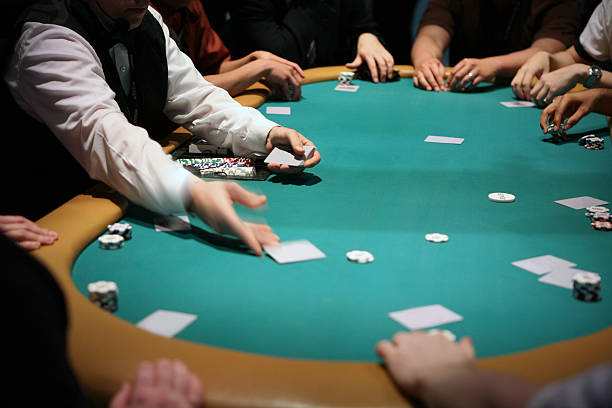
Gambling addiction, often referred to as compulsive gambling, can manifest in various signs and symptoms that are crucial to recognize early. One primary indicator is the inability to control gambling habits, leading individuals to gamble more than they initially intended. This compulsive behavior can lead to significant financial losses and may push individuals to borrow money or use savings meant for essential expenses, signaling a serious problem. Additionally, you might find that engaging in activities like casino monopoly live contributes to this issue.

Another critical sign is the preoccupation with gambling, where individuals find themselves constantly thinking about their next bet or recalling past gambling experiences. This can often interfere with daily life, including relationships, work obligations, and social activities. When gambling starts to overshadow other aspects of life, it becomes increasingly evident that the individual may be suffering from an addiction.
Emotional signs also play a vital role in identifying gambling addiction. Individuals may experience anxiety or depression linked to their gambling behavior, often feeling a sense of shame or guilt about their actions. These emotional repercussions can create a vicious cycle, as individuals may gamble to escape these negative feelings, further entrenching their addiction.
The Impact of Gambling Addiction on Daily Life
The repercussions of gambling addiction extend far beyond financial troubles. Relationships with family and friends are often strained or even severed as the individual prioritizes gambling over meaningful connections. Loved ones may feel neglected, confused, or frustrated, contributing to a toxic environment that exacerbates the addict’s emotional turmoil.
Professional life can also suffer significantly due to gambling addiction. Individuals may find it challenging to concentrate at work, leading to decreased productivity and possible job loss. Furthermore, the stress and anxiety stemming from gambling losses can affect a person’s mental health, resulting in absenteeism or poor job performance, ultimately jeopardizing their career.
Physical health is another aspect that can be impacted. The stress associated with financial strain and emotional distress can lead to various health issues, including sleep disorders, anxiety disorders, and even substance abuse. This multifaceted impact underscores the importance of recognizing gambling addiction as a serious issue that affects not just finances but overall quality of life.
Consequences of Ignoring Gambling Addiction
Failing to address gambling addiction can lead to severe consequences, including financial ruin. Individuals may find themselves in insurmountable debt, facing bankruptcy or foreclosure due to their gambling habits. The situation can escalate, pushing individuals toward illegal activities to finance their addiction, leading to criminal charges or incarceration.
Social isolation is another dangerous outcome of ignoring gambling addiction. As individuals withdraw from friends and family, their support network diminishes, making recovery more challenging. This isolation can deepen the addiction, as the individual may turn to gambling as a means of coping with loneliness, creating a harmful feedback loop.
Moreover, the long-term emotional consequences can be devastating. Many individuals battling gambling addiction may develop severe mental health disorders, such as depression or anxiety, which can lead to self-harm or suicidal thoughts. Recognizing and addressing gambling addiction promptly is essential in breaking this cycle and finding a path toward recovery.
How to Seek Help for Gambling Addiction
Seeking help for gambling addiction is the first step toward recovery and can take various forms. Professional counseling or therapy is often recommended, as trained professionals can provide the necessary support and guidance. Cognitive-behavioral therapy is particularly effective, helping individuals recognize harmful thoughts and behaviors associated with gambling.
Support groups, such as Gamblers Anonymous, offer a community-based approach to recovery. These groups create a safe space for individuals to share their experiences and learn from others facing similar struggles. The camaraderie and understanding found in these groups can significantly aid in the recovery process, fostering a sense of belonging and accountability.
In some cases, medication may also be prescribed to help manage underlying mental health conditions contributing to gambling addiction. Consulting with a healthcare provider can help determine the most appropriate course of action, combining therapy, support groups, and medication as needed to facilitate recovery.
Resources for Gambling Addiction Support
There are numerous resources available for individuals seeking help with gambling addiction. Online platforms provide information about local support groups and counseling services, making it easier for individuals to find the help they need. Many organizations offer hotlines that provide immediate support and guidance for those in crisis, emphasizing the importance of reaching out for help.
Additionally, educational resources can equip individuals and their families with knowledge about gambling addiction. Understanding the signs, symptoms, and effects can empower individuals to take action before the addiction spirals out of control. Many websites and community centers provide workshops, seminars, and informational materials to promote awareness and prevention.
Ultimately, seeking help is a sign of strength. Acknowledging the need for support can lead to a healthier and more fulfilling life, free from the grips of gambling addiction. The journey to recovery may be challenging, but with the right resources and support, it is entirely achievable.